
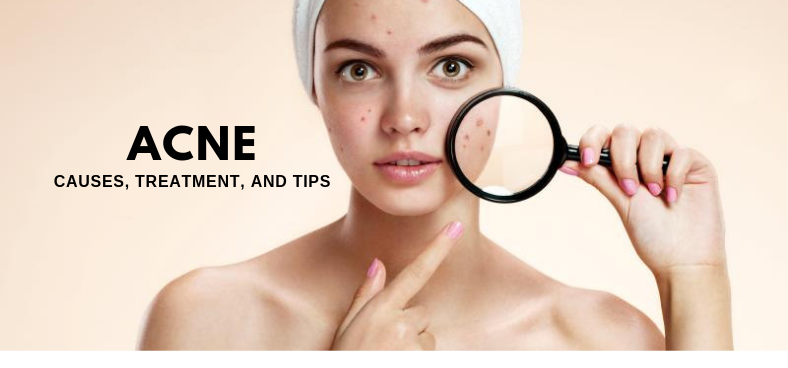
Acne was thought to be an infectious skin disease in the past. But recent breakthroughs in the treatment prove it is a type of skin inflammation caused by a type of bacteria. Health specialists in London thus consider acne rather as a chronic inflammatory skin condition.
Factors for acne breakout
Apart from bacteria, certain other factors also play their part in triggering acne condition. These include ones:
- Gene or family history
- Level of hormones in the body
- Micro-inflammation and
- Problems related to the follicle
(The problems related to the skin follicle include conditions like clogged pore preventing free flowing of sebume, comedone formation or formation of blackheads, whiteheads or micro comedones. This condition is also called hyperkeratinization.)
When acne occurs due to hormonal imbalance, usually the male hormones are found to be responsible. These male hormones are also present in females, testosterone for example. Although these hormones are present in very less quantity in females than in males.
Acne breakouts and your menstruation periods
On the other hand, many female acne patients experience a flare up right before or during their menstruation. This occurs because of a drastic change in the ratios of sex hormones in their body during those days of the month. During ovulation, it is very natural for a woman to produce excess sebum in the skin. As a result, the skin gets oilier. This sebum gets trapped in the skin pores if and when the pores are already blocked by dead skin materials or keratin.
To make things even more complicated, these yet non-inflamed acne lesions or comedones are attacked by bacteria. As a result of this bacterial intervention, pimples or spots show up on the skin surface. These are medically called inflamed acne lesions and they invariably show up just before or during your periods. When your body menstruate, testosterone level is high. This factor also contributes to the problem.
Lifestyle factors and acne
A number of lifestyle factors further deepen the problem of acne breakout. These include the following:
- A sugar-rich diet
- Excessive consumption of processed carbohydrate or foods rich in starch
- Smoking
- Stress
- Wrong skincare and
- Insufficient sleep
Some patients are known to suffer more from the problem on having dairy products.
Teenage acne and adult acne are distinctly different. In adult acne, the skin is less oily and with lesser comedones. But on the other hand, there’re more inflammatory lesions when compared to teenage acne. Adult acne patients often complain about dry and sensitive skin. The factors make the treatment more challenging than treating teenagers.
To counter the problem of dry skin, adults suffering from the problem apply too much oil and moisturising lotions. This worsens their cases triggering more inflammatory lesions. However, specialists providing acne treatment in London have good news. These days, a range of anti-inflammatory creams has come up into the market. These medicated creams are available on prescription and they work wonders in curing your acne problem.
According to dermatologists, it is a good idea for acne patients to use preventive creams. This will prevent formation of new spots on your skin. Adult patients suffering from this skin problem must remain conscious about their skincare. Excessive skincare is likely to contribute further to the problem. Particularly, using anti-ageing creams should be done with great precaution. Constituents of such skincare products often prove harmful to make acne more severe.


